


Mastering the keys isn’t just about making music—it’s about tapping into creativity, discipline, and self-expression. For producers, understanding the keys is a game-changer, opening the door to better compositions, seamless arrangements, and more dynamic tracks. Whether you’re creating beats, crafting melodies, or layering chord progressions, a solid foundation in keyboard skills can take your productions to the next level.
In this guide, we’ll cover the basics of piano keys, essential music theory for producers, and practical tips to integrate this knowledge into your workflow. Let’s level up your sound!
Why Learning the Keys Is Important for Aspiring Music Creators
Keys are at the heart of modern music production. Whether you’re crafting a classical piece, laying down jazzy chords, or producing a chart-topping pop hit, mastering the keys is essential. Here’s why every producer should focus on them:
- Boost Efficiency: Muscle memory on the keys speeds up your workflow, letting you lay down ideas faster.
- Master Music Theory: Scales, chords, and intervals will feel second nature, making it easier to create killer progressions.
- Expand Your Toolkit: Understanding the keys translates seamlessly to MIDI controllers, synths, and other production tools.
- Unleash Creativity: Experimenting on the keys inspires unique melodies, harmonies, and arrangements.
Your tracks are only as good as the tools you master—so dive into the keys and start leveling up your production game!

Step-by-Step Guide to Learning the Keys
If you’re a beginner, don’t worry—anyone can learn the keys with incremental steps and consistent practice. Here’s a roadmap to get started.
Step 1: Posture

Let’s start at the very beginning, with your seat!
A lot of keyboard players – not just beginners – disregard the importance of getting the right chair or stool. It’s best to do this straight away, before you end up with injuries or strains.
Two things to work out are:
- getting your seat height right
- distance from the keyboard
These two things will affect your back, shoulders, arms and wrist.
Ideally, save up and buy yourself a keyboard stool.
Step 2: Proper Hand Positioning
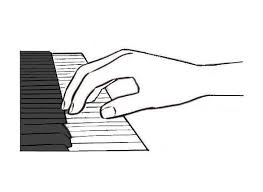
When beginners learn how to play piano, they’re often told to imagine that they’re holding an egg or a bubble so that they form a round, curved shape with their fingers.
If you do this correctly, your fingertips will be touching the keys rather than the centre of your fingers. The reason why you should curve your fingers is because you’ll build flexibility (if you play piano with flat fingers, you might notice that more strength/tension goes into your movement and this may cause injuries) and this enables you to play songs with more precision and less fatigue.
In terms of where you should place your fingers, this really depends on which line/chord/finger position you play. If you’re just playing the white keys, you would place your fingers just before the tips of the black keys but if you’re required to mix both white and black keys, you would have to dive in a little deeper (in between the black keys) so that the levels meet. Also, if your key size is smaller than piano keys (ie. a small midi keyboard), you can do the same – you don’t have to fit your fingers below the black keys.
Step 3: Practice Finger Exercises
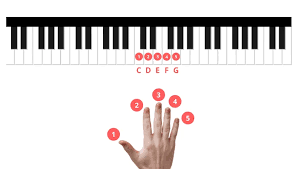
Start with beginner finger exercises like the “five-finger pattern.” This simple yet effective exercise involves playing adjacent notes with each finger in sequence (e.g., C, D, E, F, G for the right hand, or G, F, E, D, C for the left hand). Begin slowly, ensuring each finger presses the key with equal pressure and clarity. Focus on maintaining a relaxed posture, curved fingers, and steady rhythm while avoiding any unnecessary tension in your hands or wrists. Practicing the five-finger pattern regularly will help build strength, flexibility, and independence in each finger, which are essential for more advanced piano techniques. You also challenge yourself by playing the pattern with different tempos or dynamics to improve coordination and control.
Step 4: Explore Simple Songs
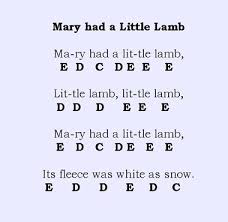
Put your skills to work with beginner-friendly modern hits… despite what most piano teachers say, you don’t have to start with Für Elise or other classical pieces to learn piano effectively!
Starting with popular songs helps you build confidence by mastering simple, recognizable patterns, while creating your own music allows you to explore your unique style. Melodics has 100s of beginner-friendly songs for you to choose from!
Tips for Staying Motivated While Learning the Keys
Progress takes time, but these tips will keep you inspired and focused in your musical journey.
- Set Small, Achievable Goals: Practice one scale or chord per week to avoid feeling overwhelmed.
- Track Your Progress: Record your sessions to note improvement over time. It’s motivating!
- Play Music You Love: Choose songs that excite you, making practice feel less like a chore.
- Take Breaks: Even 10–15 minutes of focused practice daily is more effective than longer, sporadic sessions.
- Find a Learning Community: Join online forums or use platforms like Marvin Empire to connect with fellow learners and access interactive lessons.
. 👉 Click Marvin Empire for a free consultation – Quick response, Pickup or Same-day delivery
