

04
May
May
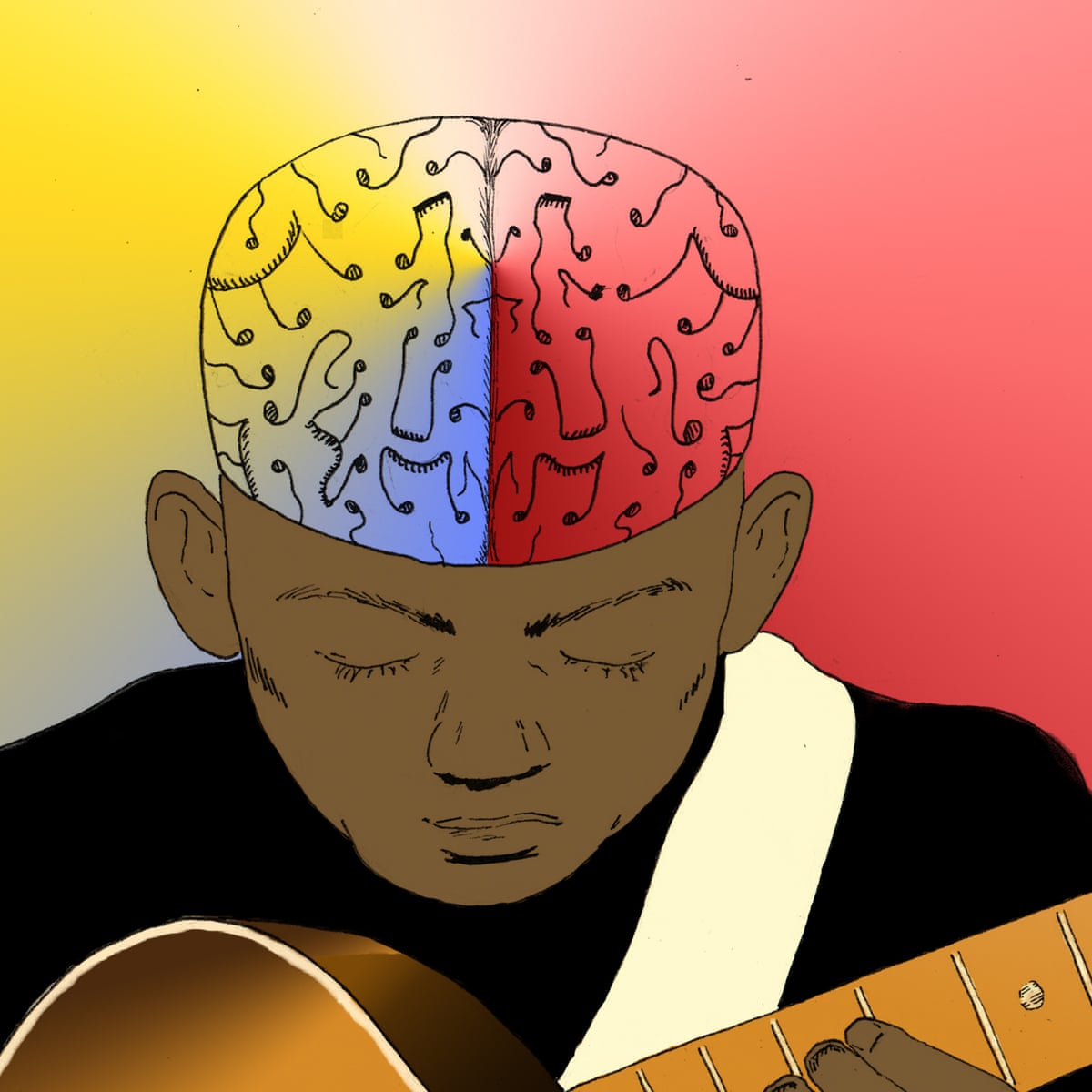
Learning a musical instrument boosts brain power by acting as a full-body workout, engaging auditory, visual, and motor cortices simultaneously. It enhances neuroplasticity—the brain’s ability to form new neural connections—improving memory, executive function, and spatial-temporal skills. This “brain on fire” effect strengthens the corpus callosum, allowing faster communication between brain hemispheres.
Key Brain Power Enhancements:
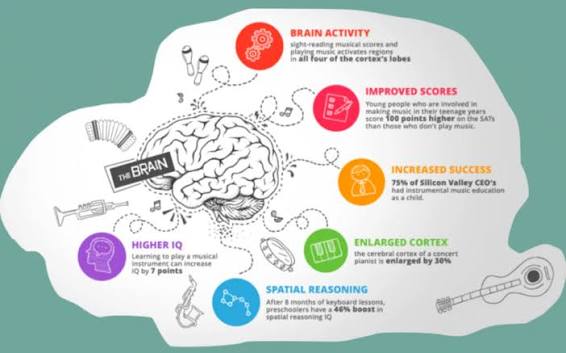
- Enhanced Memory and Cognitive Function: Playing instruments, particularly in older adults, improves verbal memory and neural efficiency. It strengthens both long-term and working memory.
- Increased Neuroplasticity and Brain Structure: Musicians often have more gray matter volume and strengthened white matter, improving communication between brain regions.
- Improved Executive Function: Musical training fosters higher-level executive functions, including enhanced attention, problem-solving, and emotional regulation.
- Enhanced Motor Skills: The synchronization required to read music and move fingers enhances fine motor skills and connects brain regions
Why Music is a Unique Brain Booster:
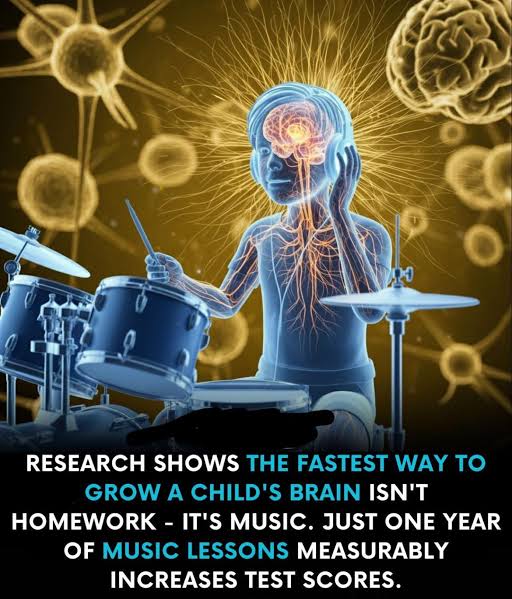
- “Full-Brain” Workout: Unlike many activities, playing music engages nearly every area of the brain at once, particularly the auditory, visual, and motor areas.
- Multisensory Integration: Musicians must transform visual information (notes) into motor activity (playing) while listening to auditory feedback simultaneously.
- Neurogenesis and Rehabilitation: Playing music can increase the production of new neurons and is used to aid rehabilitation after strokes.
- Long-Term Health Benefits: Regular musical practice is linked to a lower risk of developing dementia and increased cognitive resilience, according to findings from researchable sources.
For more on how playing an instrument makes you smarter, visit Marvin Empire
