

types
The Different Types Of Drumsticks (And The Best To Buy)
Sep
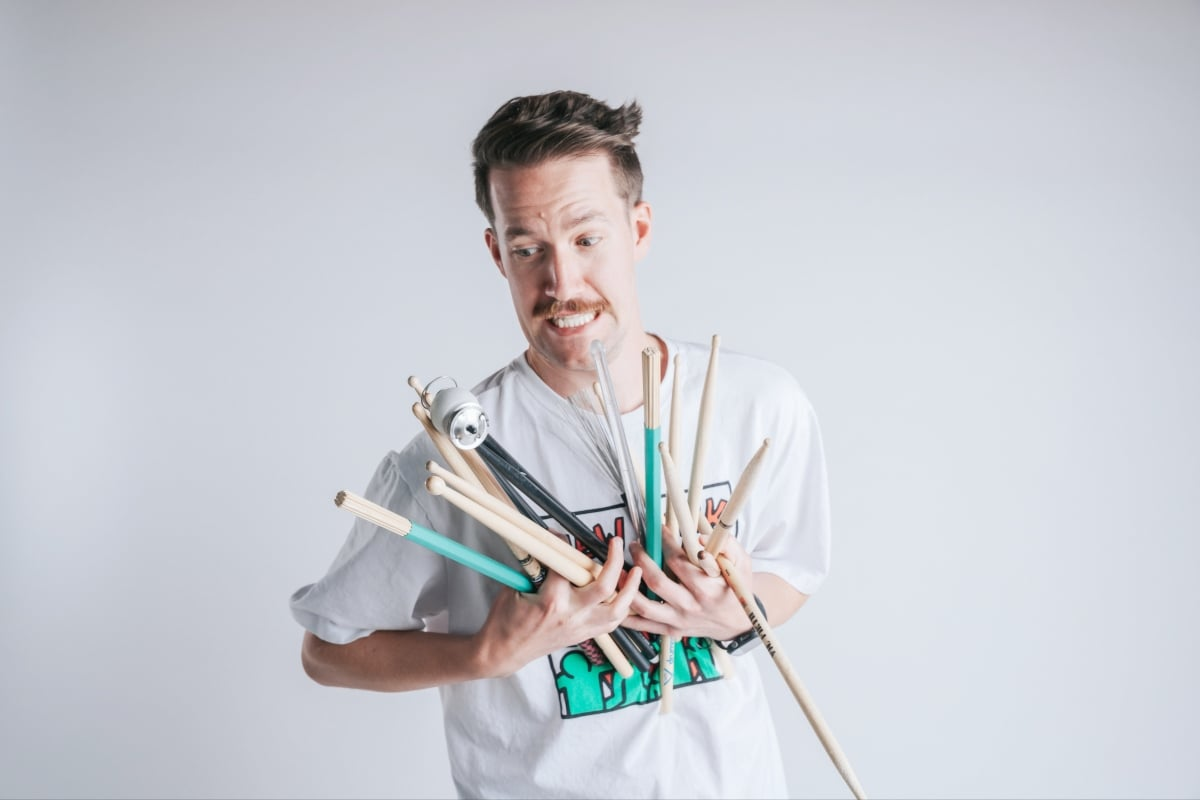
There are four basic types of drumsticks, and we’ll go over each one in this guide:
- Standard drumsticks: The ones you see rockstars playing.
- Brushes: A wire ‘fan’ that’s great for quiet playing and cymbal/snare effects.
- Rods/rutes: A bundle of thin wooden sticks used for quiet playing.
- Mallets: Soft at one end and great for cymbal swells and tom rolls.
And there are five basic types of drumstick tip shapes:
- Oval
- Acorn
- Drop
- Ball
- Barrel
Out of all the drumsticks on the market, which ones are the best for you?
This guide will give you a detailed rundown of the most common drumstick types and what to look for the next time you’re hunting for a pair
Standard Drumsticks
Drumsticks have been around for a long time. For drum kit players, these are your ultimate tools. The feeling of these in our hands is what makes most drummers fall in love with drumming from day one.
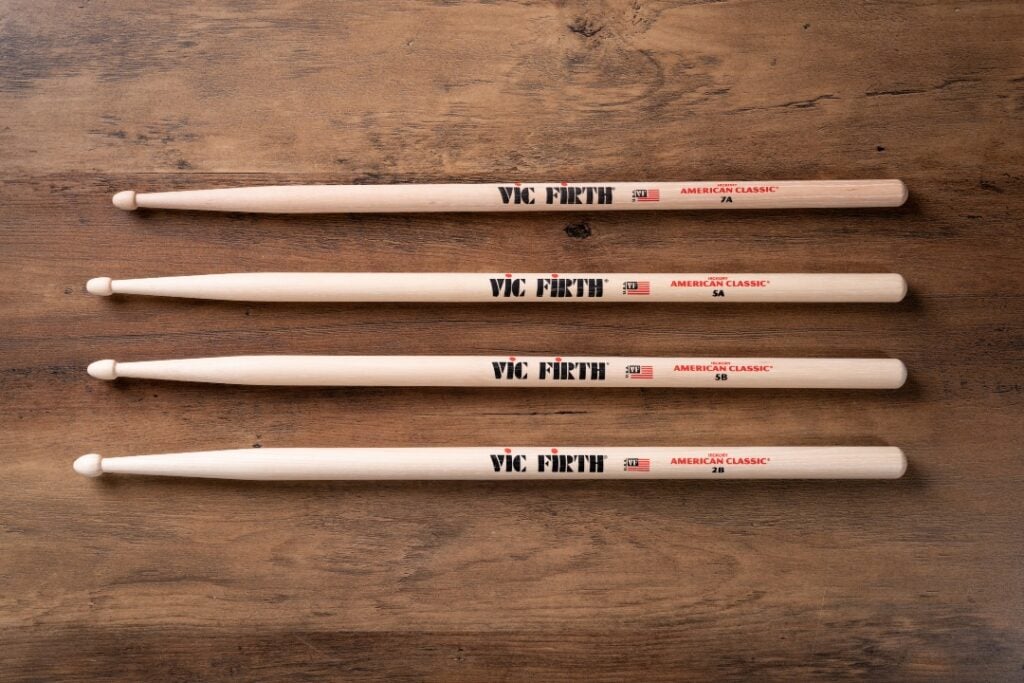
When you’re a new drummer, it can be tricky to choose which drumstick types to get. You might notice that every stick has a set of letters and numbers.
What do the numbers on drumsticks mean?
In a nutshell:
Lower number = thicker stick
Higher number = thinner stick
The most common numbers you’ll see are 2, 5, 7, and 8. The lower the number, the thicker/heftier the stick and the larger the circumference.
What do the letters on drumsticks mean?
‘A’ refers to a lighter stick, while ‘B’ means the stick is a bit heavier. All other sticks with varying letters fall somewhere in between these two.
These are the most common drumstick sizes you’ll see at music retailers:
- 7A (a lighter stick, great for jazz)
- 5A (a good moderate stick for all types of playing)
- 5B (a bit heftier than 5A)
- 2B (heavy, best for hard rock)
Most drumsticks used on the drum set are around 16″ long but can range from 15-17.5″. You can sometimes find extra-long sticks (like the Vic Firth ‘Extreme’ line or the Los Cabos ‘Intense’ line) if you’re looking for a different feel and response.
What are drumsticks made of?
Most drumsticks are made from a select group of woods and other materials:
- Maple
- Hickory
- Oak
- Carbon Fiber
- Polyurethane
- Aluminum
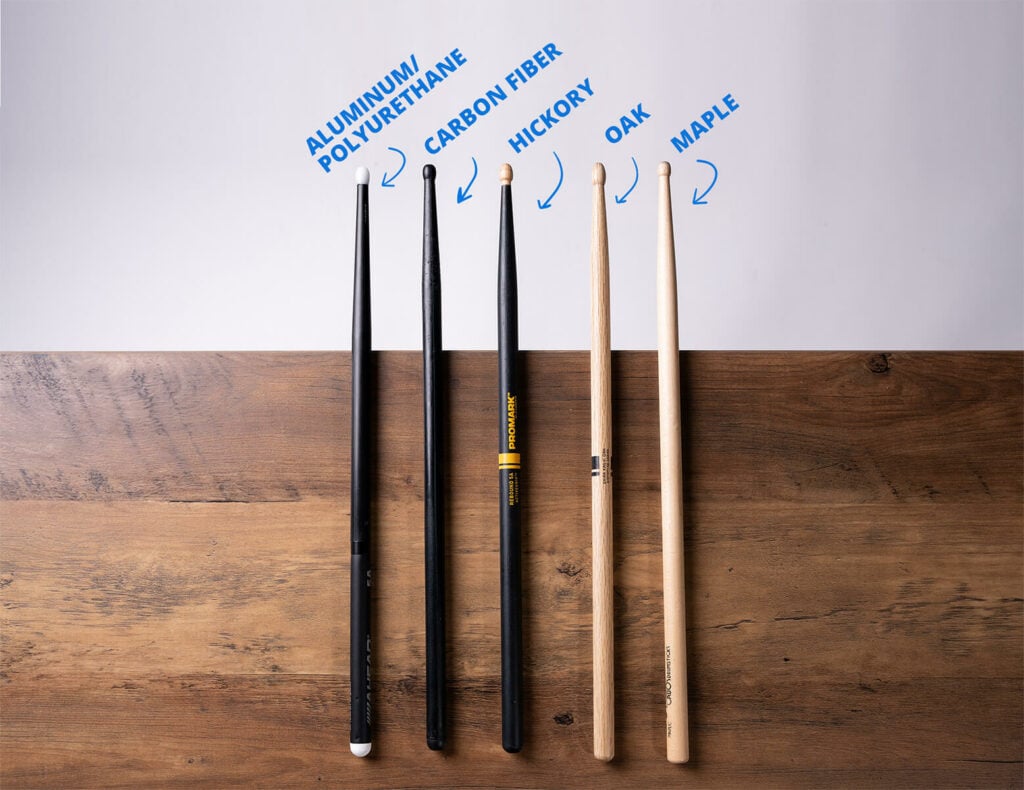 Drumsticks can be made of different types of wood (like hickory or maple) and synthetic materials.
Maple is a good lightweight wood while aluminum is a lightweight metal option. Hickory and maple are the most common drumstick materials.
The type of wood largely determines the weight of the sticks and how they sound. Another factor is the type/shape of their tips:
Oval
Acorn
Drop
Ball
Barrel
Nylon
…which can slightly alter how the sticks feel when you strike the drumheads.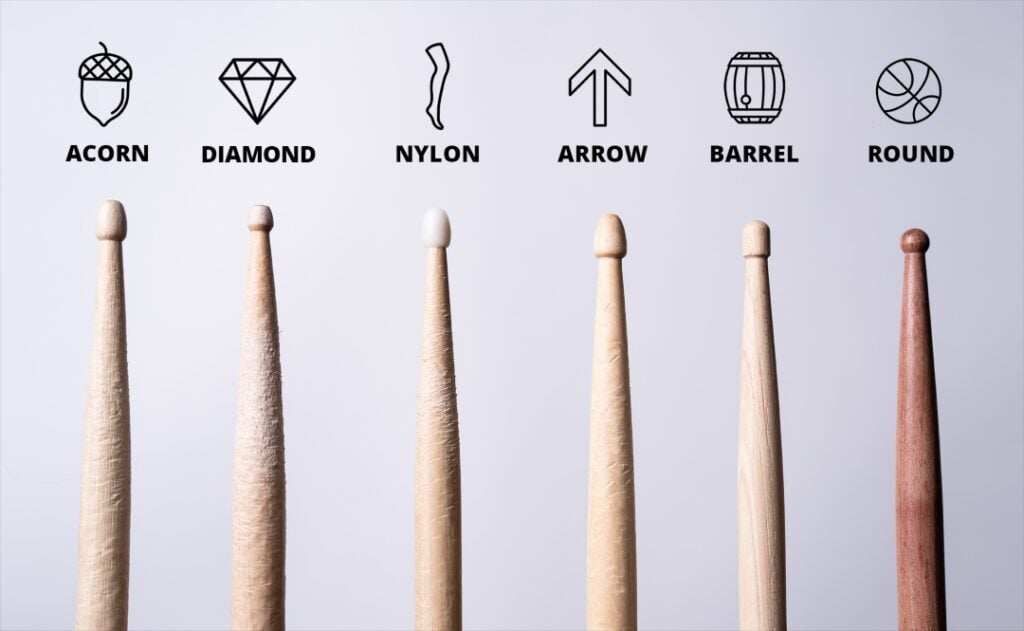 Drumsticks can come with different tip shapes including acorn, arrow and barrel.
All of these tips are made from wood except nylon, which changes how the sticks sound when they hit the cymbals. Nylon-tipped sticks can give you a more consistent tone from one pair to another.
A big debate among drummers is whether to get sticks with nylon or wooden tips. Nylon tips sound bright, while wooden tips sound warmer and more natural.
If you don’t know which tips you want on your sticks, test a few and let your ears decide.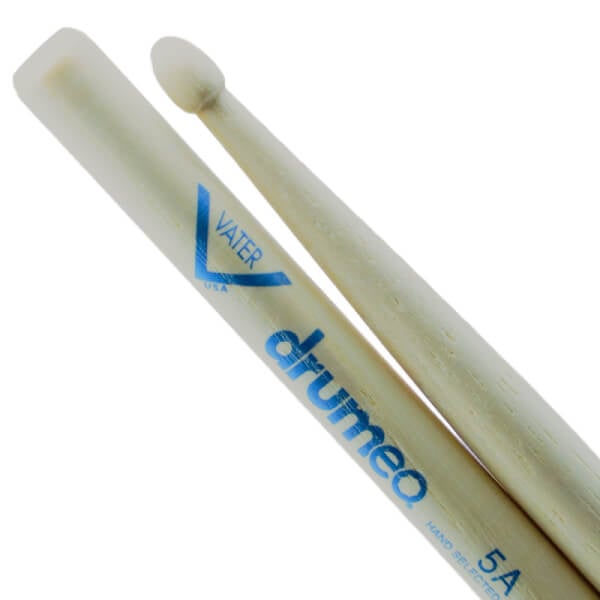
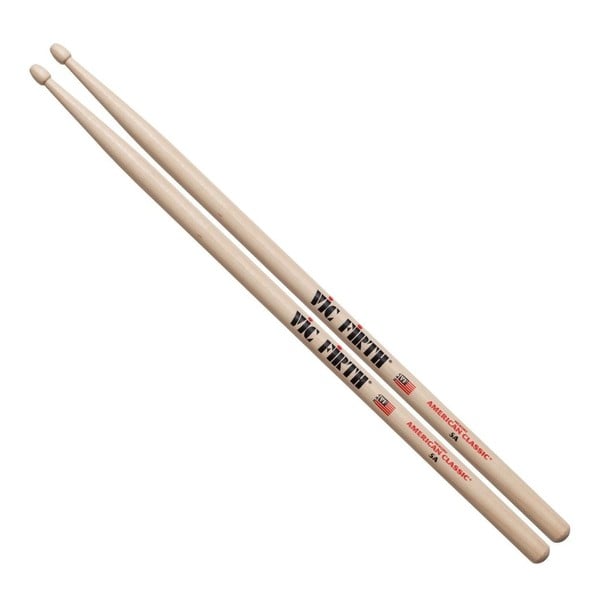
Vic Firth
5A Hickory Drumsticks
GUITAR CENTER | SWEETWATER | THOMANN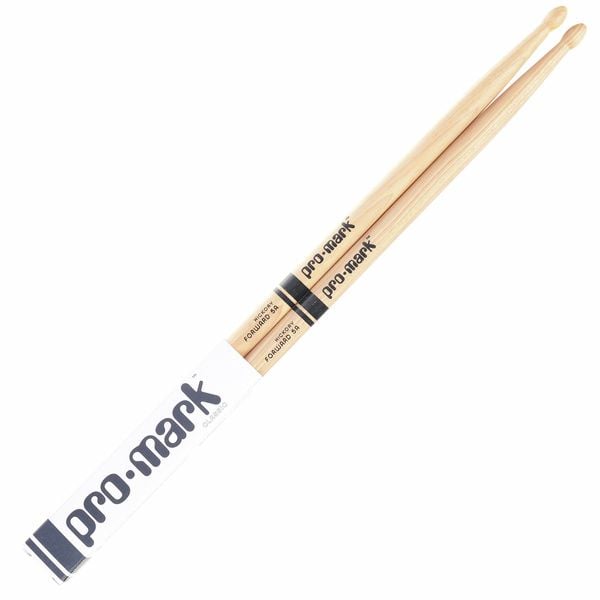
Promark
5A Hickory Drumsticks
At the end of the day, the best types of drumsticks are the ones that aren’t broken. Don’t get too stuck on which specific sticks to choose, as they all have the same purpose.
Brushes
Brushes are made from a thin set of evenly spread out wires. The volume you get from the drums is a lot quieter when using brushes, so they’re often used for soft settings. This is one of the main reasons drummers will choose brushes over drumsticks.
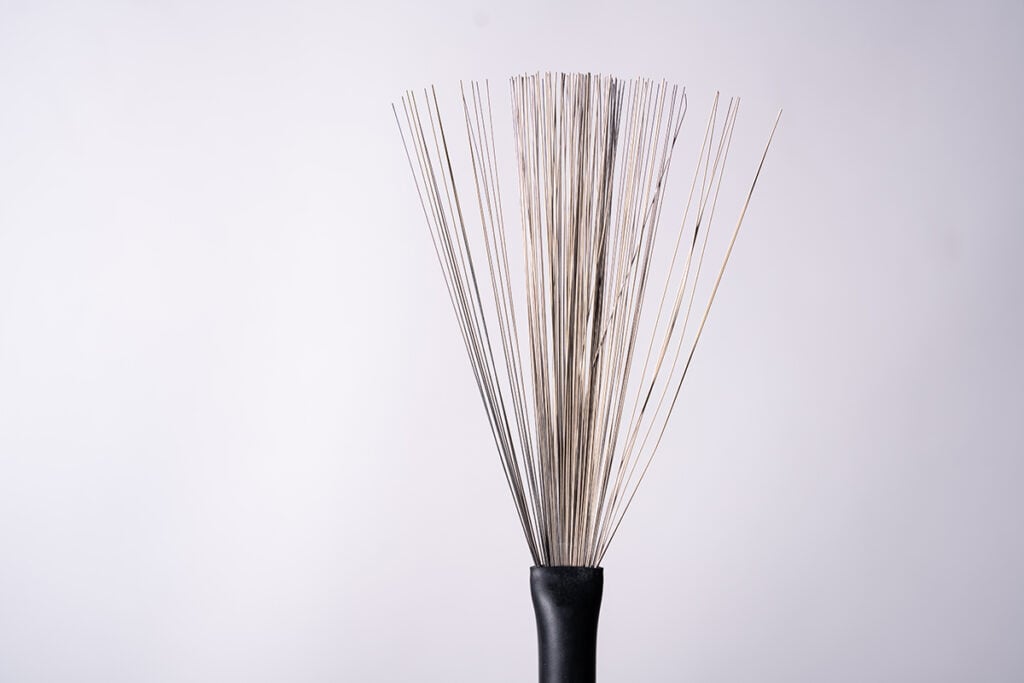
You can play like you would with standard sticks to get a mellower impact from the drums and cymbals. You can also sweep them over the snare drum head to get a swishing sound, which is an iconic brush playing technique.
Brushes are mostly used in jazz drumming, but there’s also a place for them in other modern music. There’s a bit of a learning curve to master brushes, but it opens up a whole new world of options.
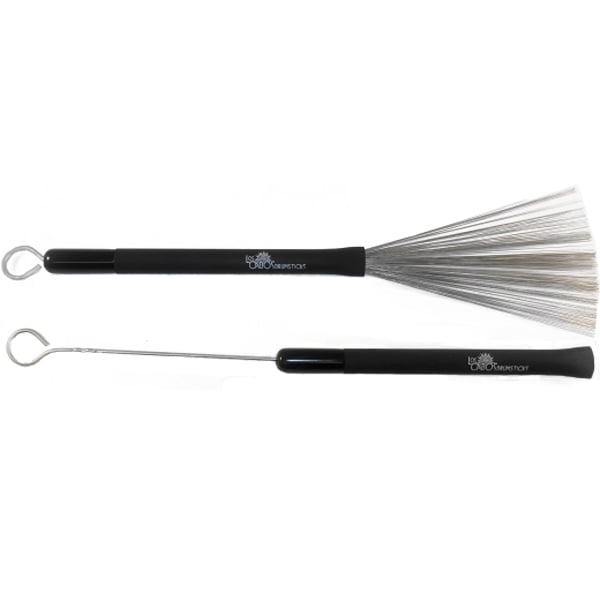
Los Cabos
Standard Brushes
REVERB | SWEETWATER
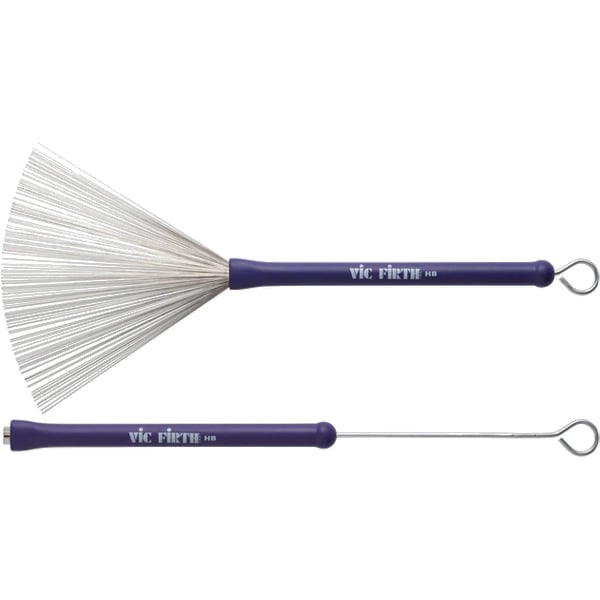
Vic Firth
Heritage Brushes
GUITAR CENTER | SWEETWATER | THOMANN
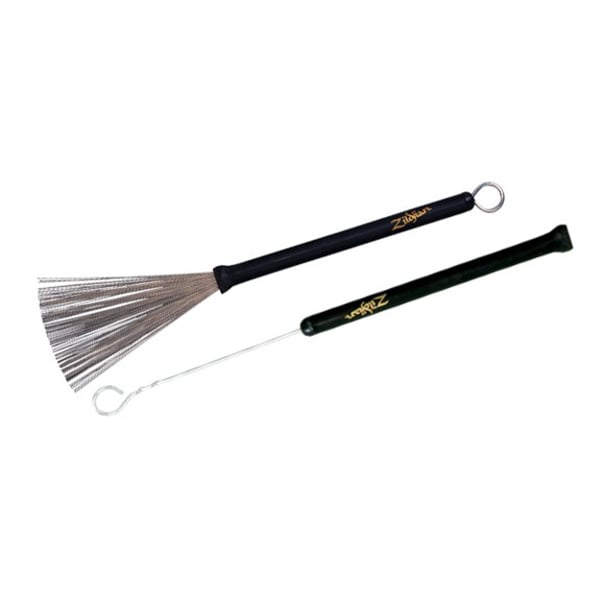
Zildjian
Wire Brushes
AMAZON
Even if you never end up using them, brushes are valuable tools to have in your stick bag, and learning to use them will only expand your drumming skillset.
Check this video of Jason Sutter giving the rundown on how to play with brushes:
Rods
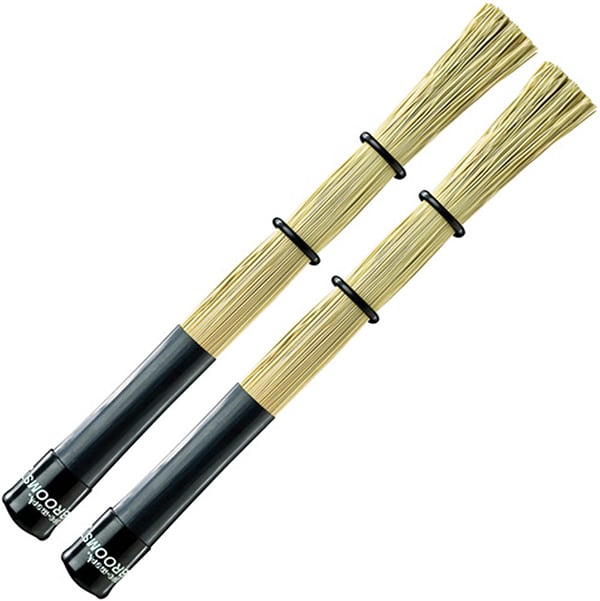
Rods (also known as ‘rute sticks’) are another quiet alternative to standard drumsticks. Comprised of a bundle of thin sticks that’ve been strapped together, you may have been asked to use these if you’ve performed in a small venue or church.
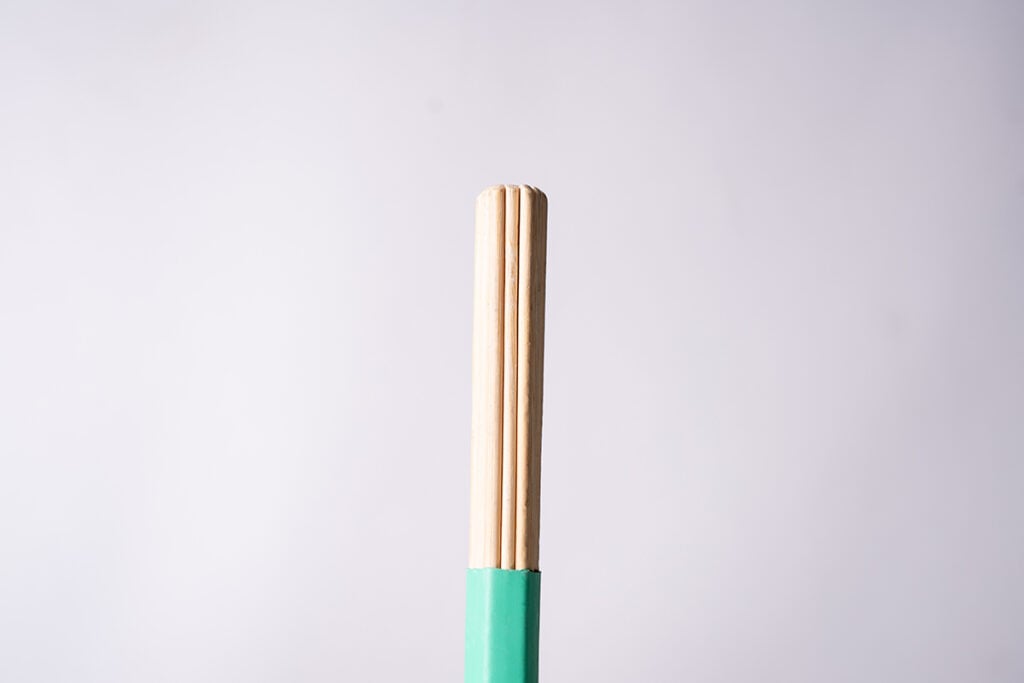
The striking sound you get from rods is less intense than standard drumsticks, but you get more attack and volume than you do from brushes.
Some rods are made from wood while others are plastic or synthetic fiber. Thanks to their heavier weight, wooden rods tend to sound a bit louder. Plastic rods are quieter, and they don’t break as easily as wooden rods.
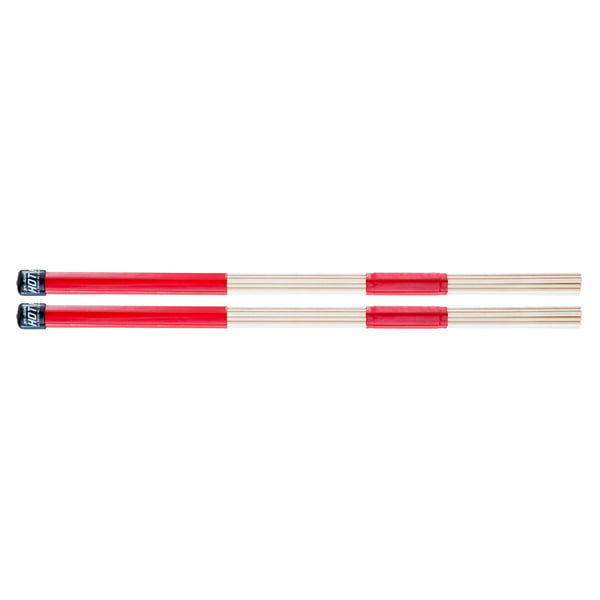
Promark
Hot Rods
GUITAR CENTER | SWEETWATER | THOMANN
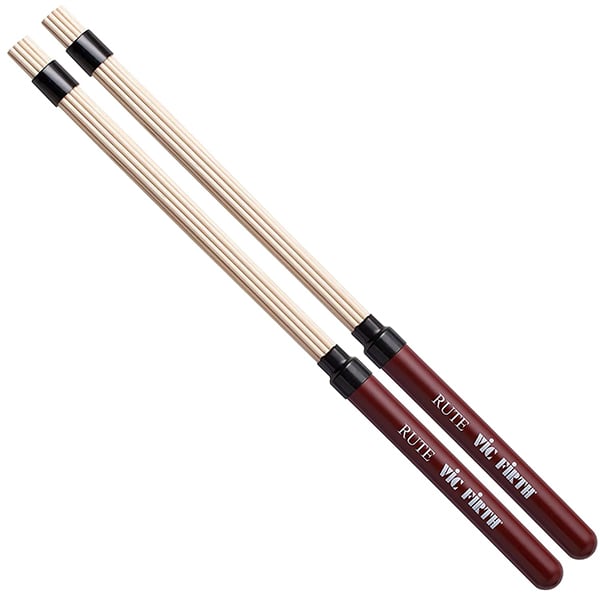
Vic Firth
Rutes
AMAZON | SWEETWATER | THOMANN
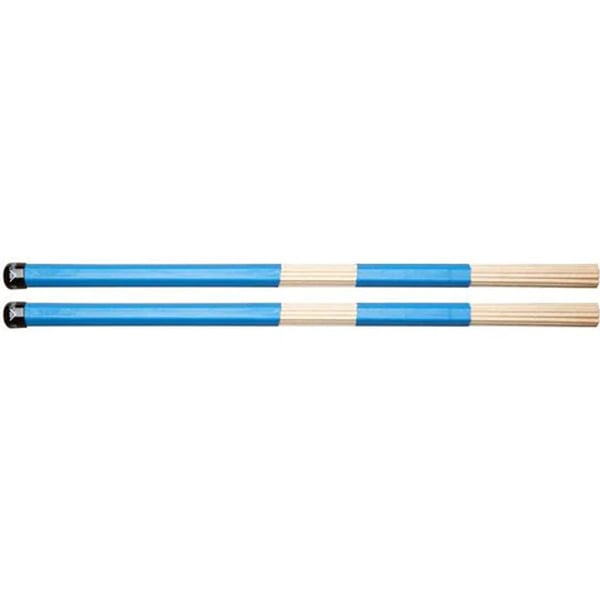
Vater
Splashsticks
GUITAR CENTER | SWEETWATER
Rods are the perfect tools to use in places like coffee shops. You can play everything on the kit without overpowering the environment with sound. However, you lose a bit of stick definition on the cymbals compared to a standard drumstick.
Mallets
Mallets are sticks that have thick material pieces at the end. This material completely changes how the sticks sound when they strike drums and cymbals.
The thicker the material at the end of a mallet, the warmer the sound will be. Almost all attack goes out the window, so they’re perfect for cymbal swells and tom rolls and builds.
You’ll see many drummers playing drum solos with mallets as their unique sound adds variety to the soundscape.
Mallets take away the sharp cracking sound that cymbals produce, and that’s why they work so well for swells. As you repeatedly hit a cymbal with mallets, the warm sound resonates and gets louder. It’s the classic song starter and finisher.
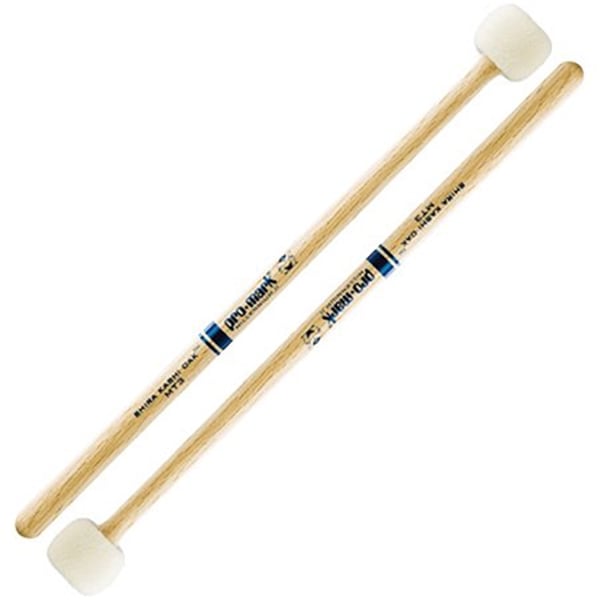
Promark
MT3 Oak Mallets
AMAZON | GUITAR CENTER | THOMANN
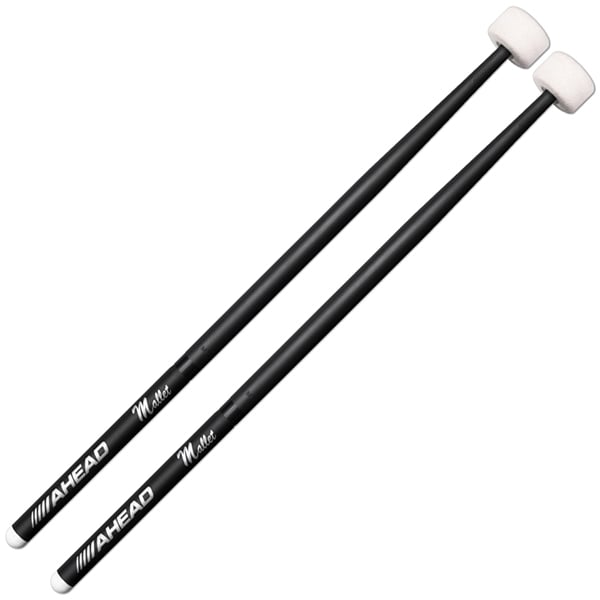
Ahead
Polyurethane Mallets
AMAZON | AHEAD
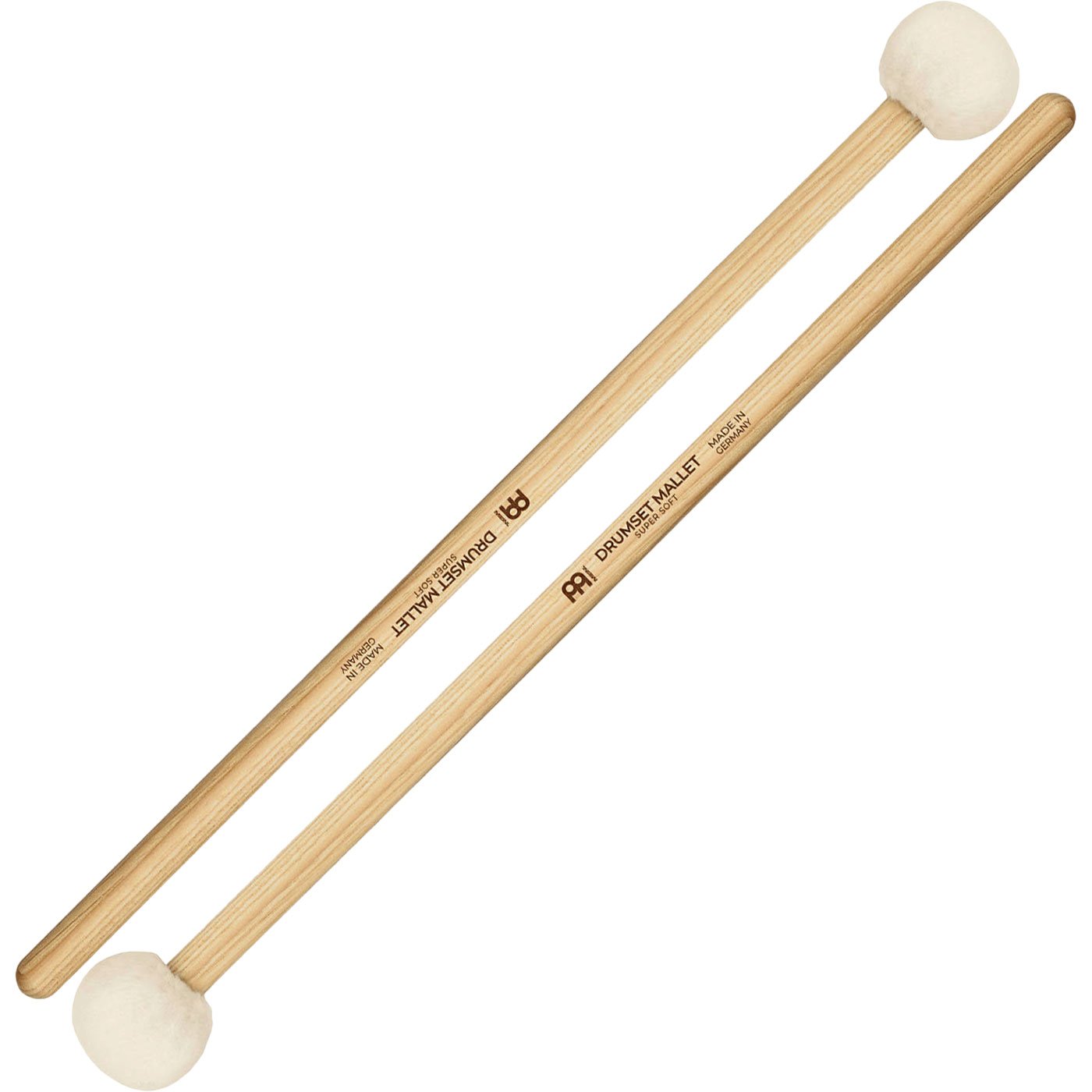
Meinl
Drumset Mallets
AMAZON | SWEETWATER | THOMANN
If you don’t have a set of mallets yet, you could always DIY it by attaching cymbal felts to the ends of your sticks.
Hybrid Drumsticks
Every now and then, a drumstick brand will create something unique that combines different stick types and materials: a hybrid stick.
The most common type of hybrid stick has a standard drumstick tip on one end and a mallet tip on the other end. These are amazing for drummers who don’t want to risk dropping their sticks while switching between mallets and standard sticks mid-song. Just flip these around whenever you want to play warmer tones or cymbal swells.
Musical theater drummers tend to be the biggest lovers of hybrid mallets, but it won’t hurt anyone to have a pair of these handy.
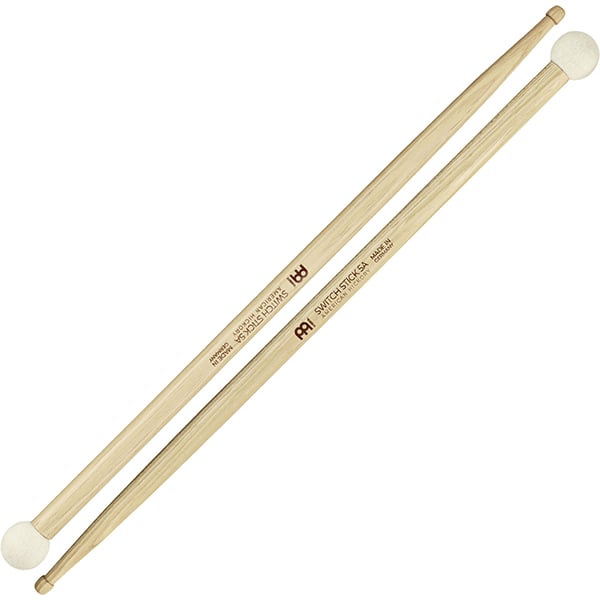
Meinl
Switch Sticks
AMAZON | SWEETWATER | THOMANN
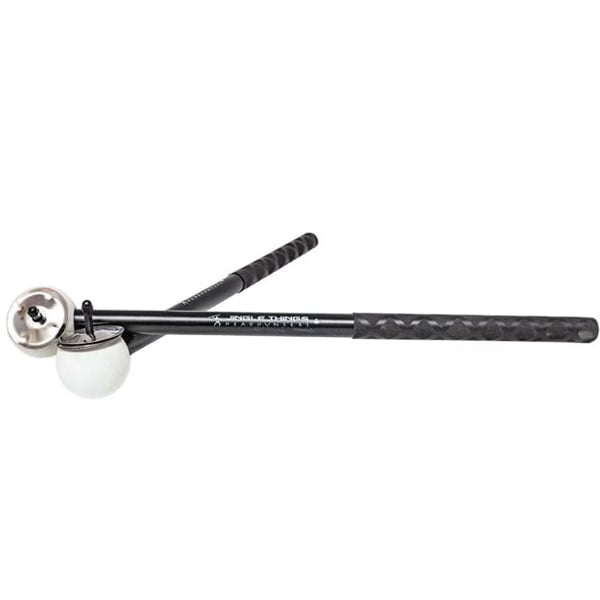
Headhunters
Jingle Things
REVERB | HEAD HUNTERS
Promark
Broomsticks
AMAZON | SWEETWATER | THOMANN
