

May
Learning the trumpet requires developing proper physical habits early to produce a strong, clear sound. The three fundamental pillars are relaxed, upright posture; deep, diaphragmatic breathing; and a stable embouchure (lip position)
1. Proper Posture and Holding the Trumpet
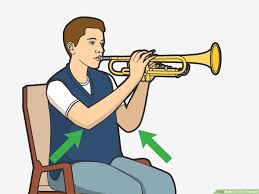
Good posture allows for maximum lung capacity and efficient airflow.
- Body Positioning: Sit on the edge of your chair or stand with feet shoulder-width apart. Keep your back straight, shoulders relaxed and down, and your chin level (not pointing up or down).
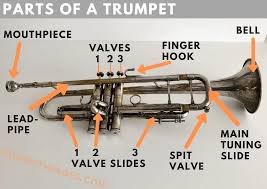
- Holding the Instrument: Support the weight of the trumpet with your left hand. Place your thumb in the saddle/around the leadpipe and fingers around the valve casing.
- Right Hand Position: The right hand operates the valves, with fingertips on the buttons and the thumb placed between the first and second valve casings. Keep fingers curved, not flat.
- Angle: The trumpet should be parallel to the floor, or angled down slightly.
2. Breathing Techniques
Trumpet playing requires “belly breathing,” also known as diaphragmatic breathing, which engages the diaphragm to inhale maximum air.
How to Breathe: Inhale deeply, focusing on expanding your abdomen, sides, and lower back, rather than just raising your shoulders or chest.
Exercises:
- The Balloon Method: Lie on your back and place a book or hand on your stomach. Inhale to make it rise and exhale to make it fall.
- Sizzle Exercise: Inhale deeply, then exhale in a steady, controlled stream through “pursed” lips (sizzling or hissing).
- Warm Air: Think of taking a deep “yawning” breath to open the throat, then blowing warm air, which helps create a richer tone.
3. First Notes and Embouchure
The embouchure is the positioning of your lips and facial muscles. A correct setup allows the lips to vibrate freely.
- Setting the Embouchure: Keep your lips moist, firm at the corners, and relaxed in the center. Think of saying “Mmm” and keeping your chin flat.
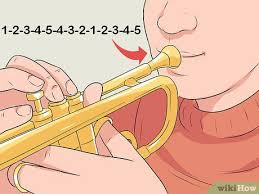
- The Buzz: Place the mouthpiece at the center of your lips (approx. 60% top lip, 40% bottom). Blow a steady stream of air to create a “buzzing” sound.
- First Notes (No Valves): The first notes are usually played “open” (no valves pressed).
- Low C: A low, buzzing sound.
- G (In the staff): By increasing air speed and tightening the corners of your lips, the pitch will jump up from C to G.
First Five Notes:
- G: Open (no valves)
- F: 1st valve
- E: 1st & 2nd valves
- D: 1st & 3rd valves
- C: Open (but lower lip tension than G).
Key Tips for Beginners
- Avoid Smiling: Do not stretch your lips into a smile when playing, as this creates a thin, weak sound.
- Use a Mirror: Frequently check your posture and embouchure in a mirror to ensure consistency.
- Rest Often: If your lips feel tired, take a break. Developing muscles takes time, and playing tired can build bad habits.
- Prioritize Tone: Focus on producing a clear, consistent sound on one note before trying to play many notes fast.
. 👉 Click Marvin Empire for a free consultation – Quick response, Pickup or Same-day delivery
